Didkovychi granite
In short
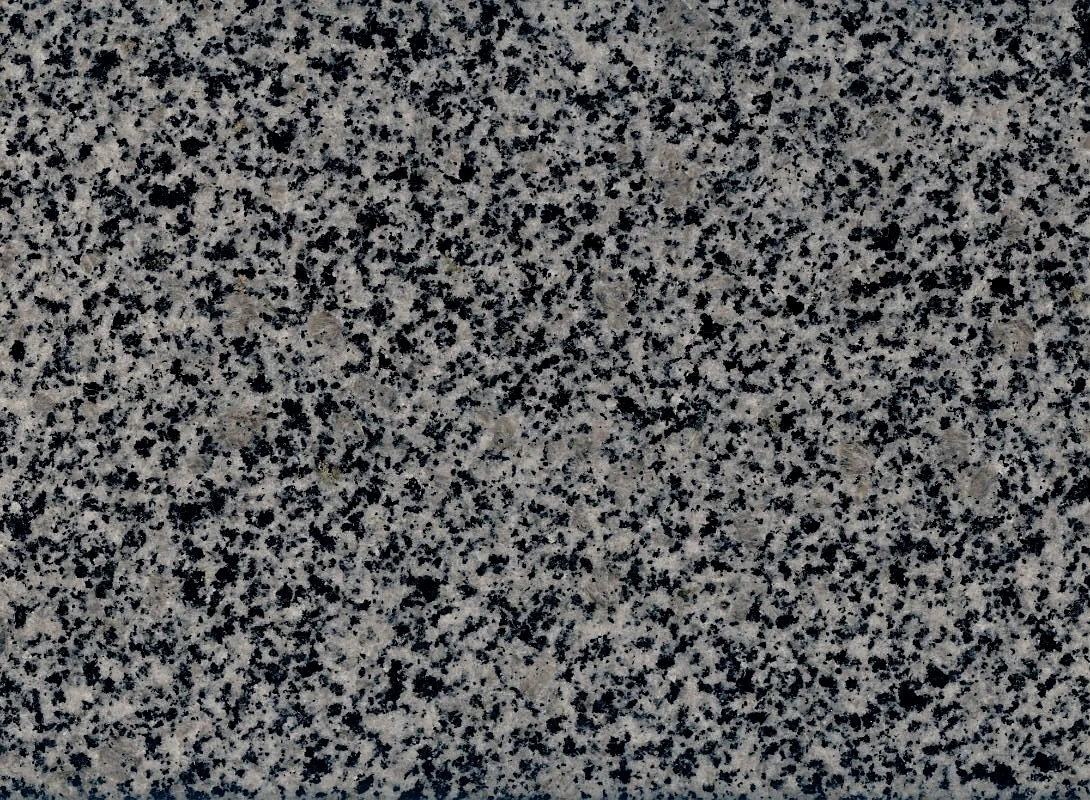
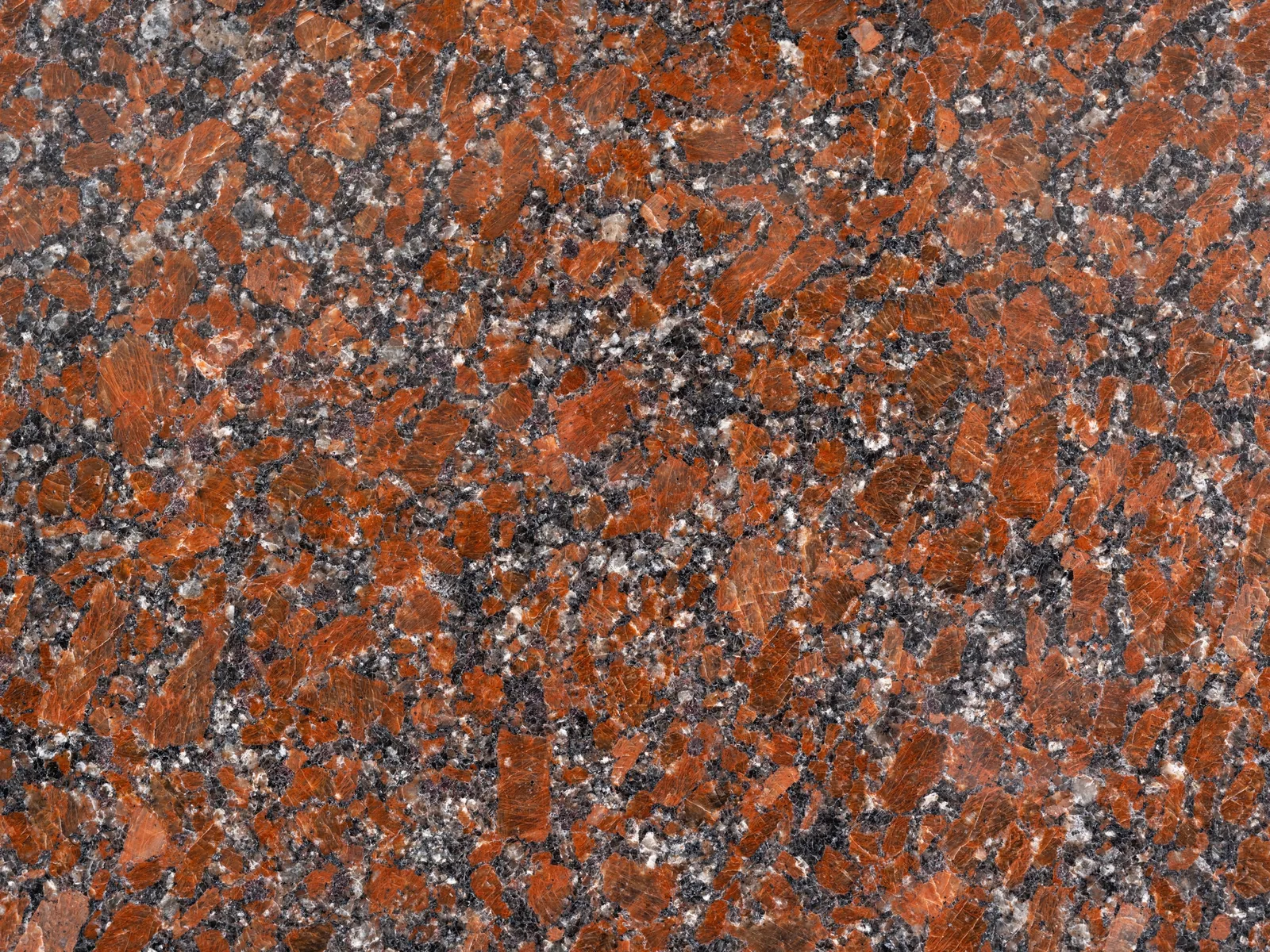
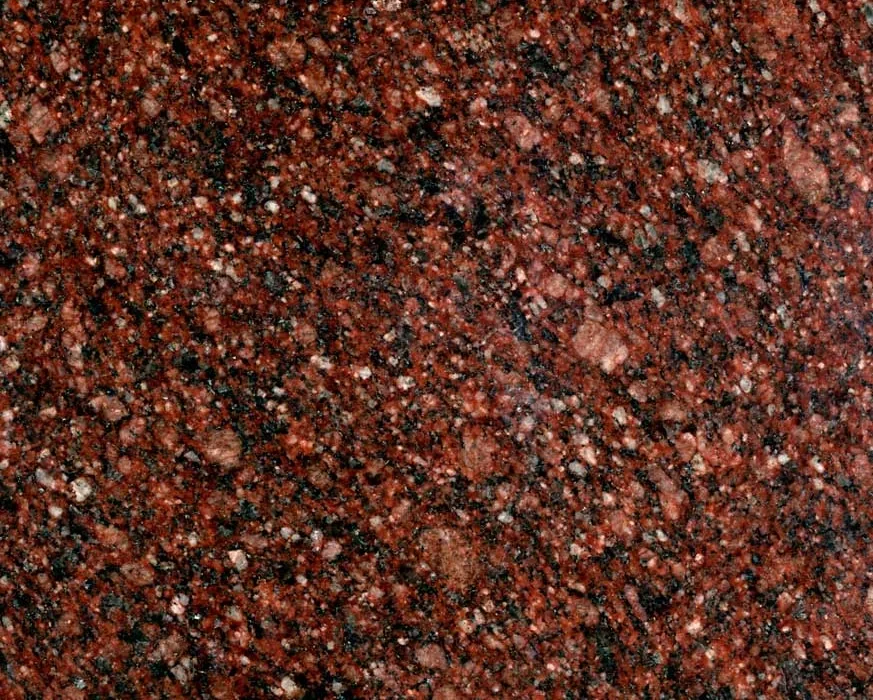
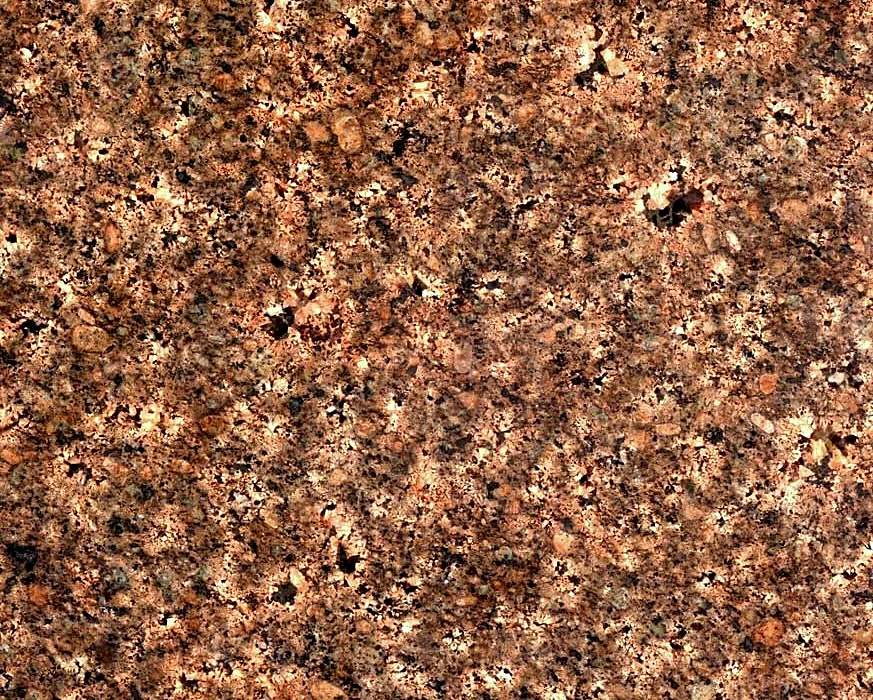
Didkovychi granite is warm brown-pink. Didkovychi stone has a warm brown-pink tone and a lively crystalline structure. Polishing enhances its colour depth and the contrast of the natural pattern, which makes the material especially expressive in interior details.
In exterior products it behaves more quietly than when polished. Selection starts not with the name but with a physical sample of the current batch in the required finish.
Compare this stone with the others in the granite types section, and read more about sample approval in Didkovychi granite: assessing colour, finish and batch.
Specifications
| Parameter | Description |
|---|---|
| Colour | warm brown-pink |
| Finish and grain | lively crystalline structure with visible grain |
| Typical use | interiors, cladding, steps, memorials |
| Finishes | polished, honed, thermal |
| Maintenance | Regular cleaning with neutral, non-abrasive products; the exact chemistry and cleaning frequency are agreed for the finish and the location. |
Where it is used
The material is considered where a warm tone should work in an interior or in cladding. Typical directions of use:
- interior finishing: plates, window sills, decorative elements
- external cladding of façades and plinths
- steps and entrance areas
- memorial products and headstones
Products made from this stone are collected in the catalogue: Didkovychi granite products. Format, thickness and finish are confirmed for the specific project.
What to consider
The main difficulty with this stone is judging it from a single frame. Perception depends on lighting, surface moisture and scale.
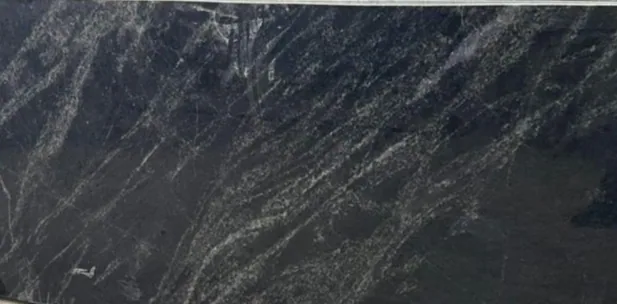
- A photograph is suitable for a preliminary selection but does not replace a physical sample.
- Polishing deepens colour; a honed surface looks calmer.
- For large areas, agree the direction of the pattern and how units are mixed.
- Record the permitted shade range in the specification together with the sample date.
- If a batch is extended later, compare the new material with the reference sample again.
A material name confirms neither a particular quarry nor the technical properties of a batch: regulated requirements need testing of the specific product.
Physical and mechanical properties
| Property | Value | Source |
|---|---|---|
| Density | 2,630–2,770 kg/m³ (sources diverge); intermediate value 2,700 kg/m³ | ZSTU course notes, Didkovychi deposit (2.63–2.72 g/cm³); kameniv.com.ua, Star of Ukraine (2,740–2,770 kg/m³); ukr.granite.ua, Star of Ukraine (bulk weight 2,700 kg/m³) |
| Water absorption | 0.06–0.53 % | ZSTU course notes (0.06–0.53 %); kameniv.com.ua (0.13–0.24 %); ukr.granite.ua (0.24 %) |
| Compressive strength | 230–260 MPa dry, 200–240 MPa water-saturated (ZSTU); 250 MPa per the manufacturer specification | ZSTU course notes; kameniv.com.ua (149–172 MPa); ukr.granite.ua (250 MPa) |
| Frost resistance | frost-resistance coefficient 0.88–0.92 | ZSTU course notes, Didkovychi granite deposit |
| Radiation safety class | Class 1 (any type of construction permitted) | ukr.granite.ua, page 'Didkovychi granite (Star of Ukraine)', section 'Physical and mechanical data' |
| Mineral composition | alkali feldspar 40–60 %, plagioclase 7–20 %, quartz 20–30 %, biotite 2–5 %, hornblende 1–3 %; accessories — fluorite, zircon, apatite | ZSTU course notes, Didkovychi granite deposit (Star of the Ukraine, Sunset) |
The values are typical/reference figures for the Didkovychi deposit (trade names Star of Ukraine, Sunset). Sources diverge substantially on density (2.63–2.72 g/cm³ per ZSTU versus 2,740–2,770 kg/m³ per the manufacturer) and strength (149–172 MPa at kameniv versus 250–260 MPa in other sources), so these figures must be confirmed by the certificate for the specific batch.
Products in this stone
Frequently asked questions
Can Didkovychi stone be selected from a photograph alone?
A photograph suits a preliminary selection but does not replace a physical sample. Colour, grain and finish are approved from a sample of the current batch.
How does polishing change the appearance?
Polishing deepens colour and the contrast of the crystalline structure. Honed and thermal surfaces look more restrained.
Does the deposit name guarantee specific properties?
No. The name points to the origin of the material, while technical requirements are confirmed by testing the specific product.