Pokostivske granite
In short
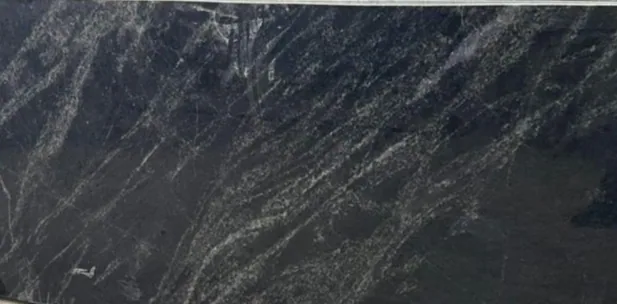
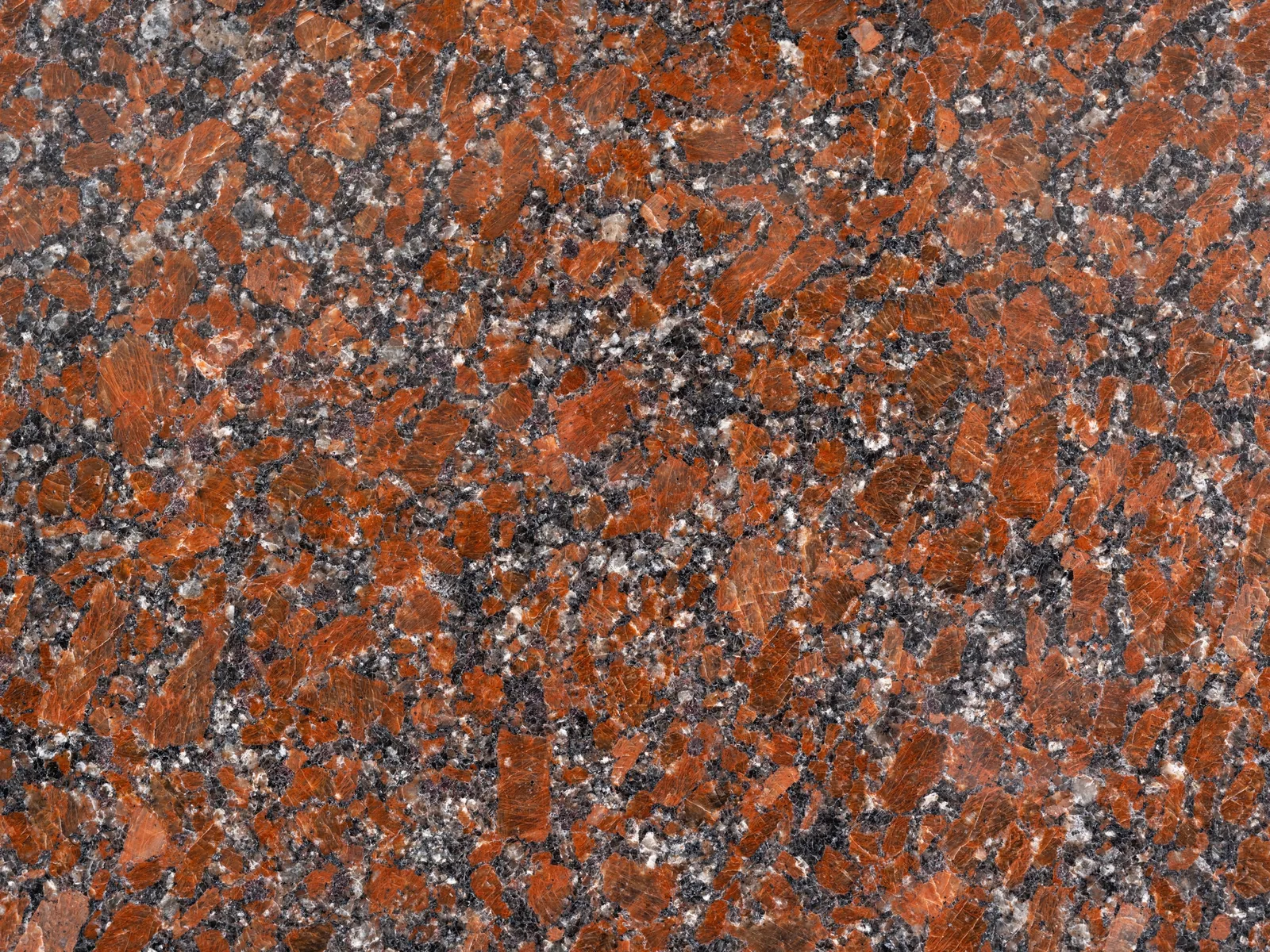
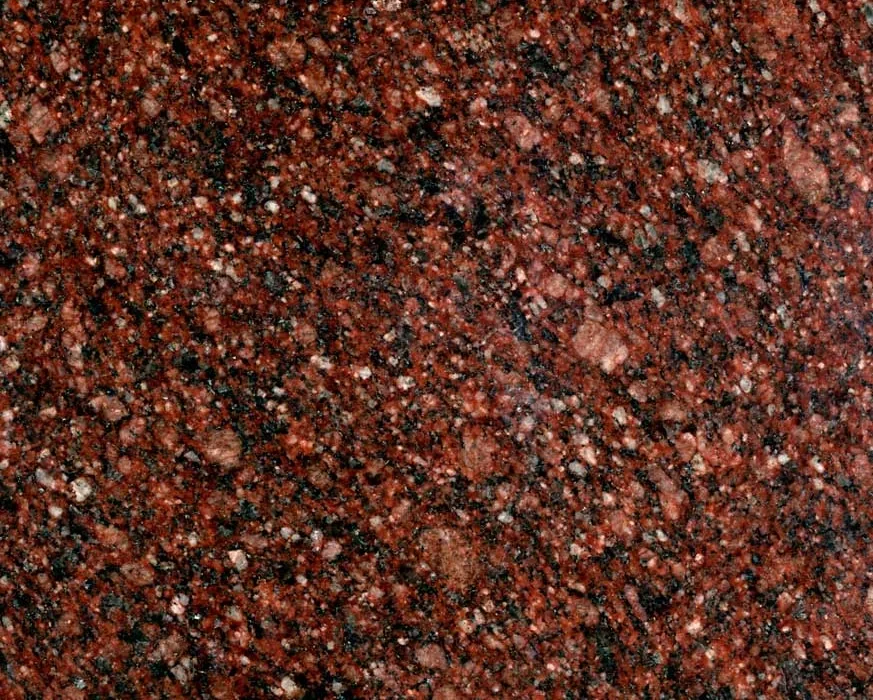
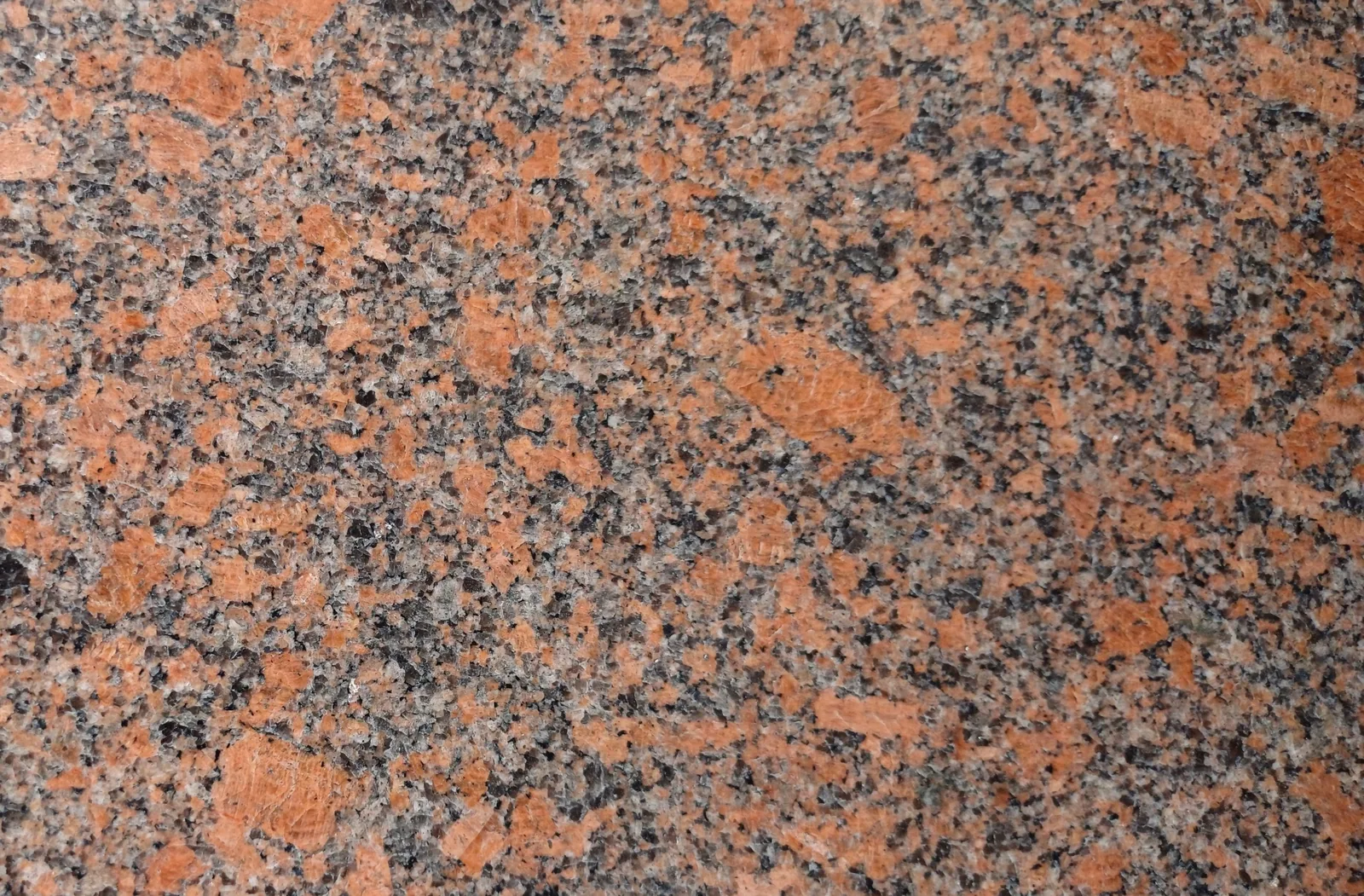
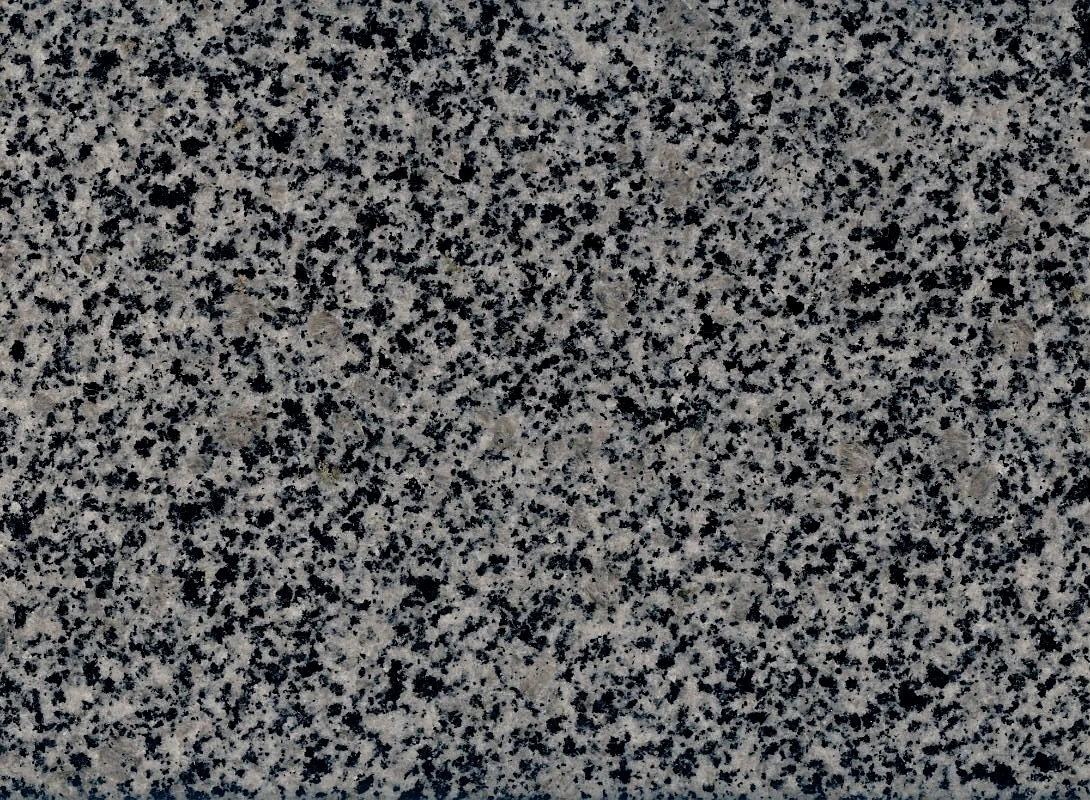
Pokostivske granite is uniform grey with fine dark inclusions. Pokostivske stone is a restrained grey granodiorite that trade practice calls granite. It shows a clear fine grain and dark inclusions, so it reads well both on paving units and on a polished slab.
The material suits exteriors and interiors alike: its neutral palette does not compete for attention and pairs well with red and dark stones. For a specific product, a physical sample of the current batch is approved together with the format and finish.
Compare this stone with the others in the granite types section, and read more about sample approval in Pokostivka granite: appearance, finishes and batch approval.
Specifications
| Parameter | Description |
|---|---|
| Colour | uniform grey with fine dark inclusions |
| Finish and grain | fine to medium grain, evenly distributed through the stone |
| Typical use | paving, steps, façades, memorials |
| Finishes | polished, honed, thermal, split |
| Maintenance | Regular cleaning with neutral, non-abrasive products; the exact chemistry and cleaning frequency are agreed for the finish and the location. |
Where it is used
Pokostivske material is chosen where a calm background is needed rather than a decorative accent. It is most often considered for:
- paving of courtyards, paths and driveways in sawn or split units
- steps and entrance areas, including a thermal finish
- façades, plinths and cladding plates
- memorials and commemorative elements
Products made from this stone are collected in the catalogue: Pokostivske granite products. Format, thickness and finish are confirmed for the specific project.
What to consider
The main risk with a grey stone is treating it as “simply grey”. In practice the shade and the contrast of inclusions change from batch to batch.
- An identical pattern across slabs is not promised: grain and inclusions are distributed naturally.
- Approve a physical sample of the current batch, not an on-screen image.
- Check every finish separately: polishing, honing and thermal treatment reflect light differently.
- Fix the format, thickness and tolerances in the specification before production starts.
- Technical requirements are confirmed by testing the specific product, not by the name of the rock.
When one project combines several finishes, approve them side by side: the same stone can look noticeably different when polished and thermally treated.
Physical and mechanical properties
| Property | Value | Source |
|---|---|---|
| Density | 2,710–2,800 kg/m³; typical 2,730 kg/m³ | ZSTU course notes 'Non-metallic building materials', Topic 2 (2.71–2.80 g/cm³, Pokostivske granodiorite deposit); kameniv.com.ua, Grey Ukraine (2,730 kg/m³); ukr.granite.ua, Grey Ukraine (bulk weight 2,740 kg/m³) |
| Water absorption | 0.08–0.50 % | ZSTU course notes (0.08–0.23 %); kameniv.com.ua (0.25–0.50 %); ukr.granite.ua (0.24 %) |
| Compressive strength | 167–252 MPa; manufacturer specifications 200–220 MPa | ZSTU course notes (167.3–251.7 MPa); kameniv.com.ua (200 MPa); ukr.granite.ua (220 MPa) |
| Abrasion | 0.54–0.69 g/cm² | ZSTU course notes (0.59–0.69 g/cm²); kameniv.com.ua (0.54 g/cm²); ukr.granite.ua (0.64 g/cm²) |
| Radiation safety class | Class 1 (any type of construction permitted) | ukr.granite.ua, page 'Pokostivske granite (Grey Ukraine)', section 'Physical and mechanical data' |
| Mineral composition | microcline 15–30 %, plagioclase 35–55 %, quartz 10–25 %, biotite 5–15 %, hornblende 1–5 % | ZSTU course notes, Pokostivske granodiorite deposit (Grey Ukraine) |
The values are typical/reference figures for the Pokostivske deposit (granodiorite, trade name Grey Ukraine) taken from the listed sources, not measurements of a specific batch. The source ranges disagree (water absorption 0.08–0.23 % per ZSTU versus 0.25–0.50 % per the manufacturer specification), so actual figures are confirmed by the batch certificate.
Products in this stone
Frequently asked questions
Is Pokostivske stone always the same grey?
No. The shade depends on the natural batch, the finish, moisture and lighting. Orders are approved against a physical sample of the current batch.
Why is the material called both granite and granodiorite?
Geological documents may describe the Pokostivske deposit as a granodiorite deposit, while trade usage says granite. The specification keeps the agreed commercial name and the sample details.
Does the name guarantee an identical pattern on every slab?
No. Grain and the distribution of inclusions vary naturally. You can agree a permitted range of variation and review a preliminary layout.